
6 Warning Signs Your Septic Tank Needs Repairs
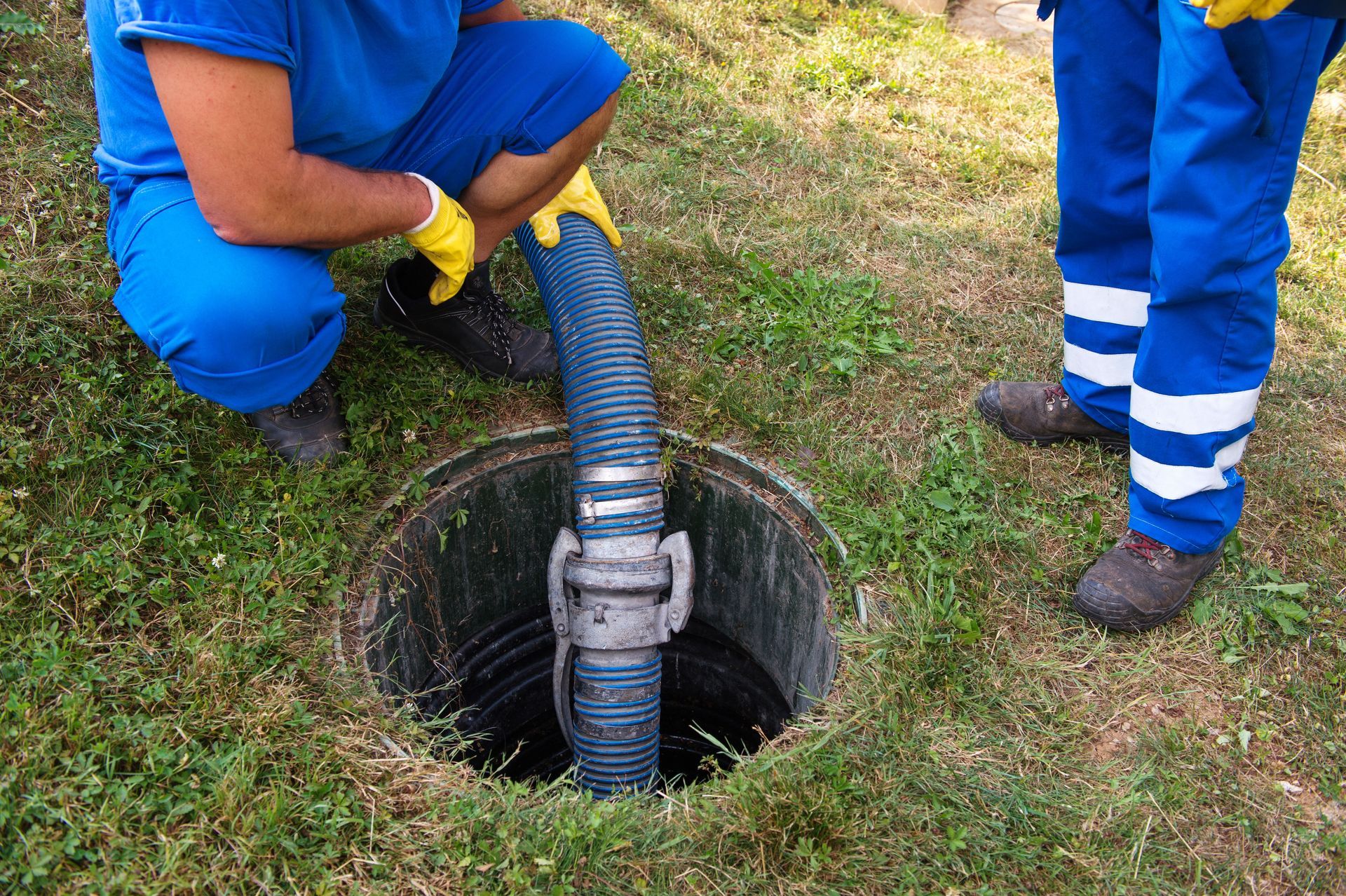
According to Circle of Blue, more than 21 million households in the U.S. use septic systems. The septic tank is an essential component of many household wastewater systems and plays a key role in overall system performance. When it is not working properly, it can affect drainage, comfort, and daily household function. Recognizing early warning signs can help homeowners address issues before they become more serious. In many cases, timely attention and professional septic service can help identify and resolve developing problems before they escalate.
1. Slowing The Home's Drain Performance
Detecting Persistent Clogs
Slow-draining sinks, tubs, and showers can be an early sign that something is wrong with the septic system. When multiple fixtures begin to drain slowly, it may indicate a blockage or that the system is not processing wastewater effectively. In some situations, homeowners may need septic service to evaluate whether the issue is related to the septic system rather than isolated plumbing concerns. These conditions often develop gradually, making early observation important for preventing further complications.
Identifying Water Backups
Wastewater backing up into sinks, tubs, or toilets is a more serious warning sign that should not be ignored. This can occur when the system becomes overwhelmed or blocked, preventing proper flow into the septic tank. When this happens, septic service may be required to assess system performance and identify the cause of the obstruction. Backups can quickly create unsanitary conditions, so prompt attention is important for restoring normal function.
Monitoring Gurgling Sounds
Gurgling noises coming from drains or toilets can indicate air trapped in the plumbing system due to restricted wastewater flow. These sounds often appear alongside slow drainage or intermittent backups, suggesting that something within the system is not operating correctly. While not always severe on their own, they can signal the need for septic service if they persist over time. Monitoring these symptoms together can help identify whether deeper system issues are developing.
2. Causing Unpleasant Odors Around The Property
Detecting Indoor Odors
Foul smells inside the home, especially near drains or plumbing fixtures, may indicate a septic system issue. These odors can occur when wastewater is not flowing or breaking down properly within the system. In some cases, septic service may be needed to determine whether the system is contributing to indoor odor problems. Persistent smells should be evaluated to help maintain a comfortable living environment.
Detecting Outdoor Odors
Unpleasant smells outside near the septic tank or drain field may suggest a system malfunction. These odors can develop when wastewater is not being properly processed or distributed into the soil. While environmental conditions can influence odor intensity, ongoing issues may require septic service to assess system function. Addressing these signs early can help prevent more extensive concerns.
Identifying Odor Causes
Odors can result from blockages, system strain, or drainage issues within the septic system. When wastewater does not move properly through the system, gases can accumulate and become noticeable in surrounding areas. Identifying the source is an important step in determining whether septic service is needed to restore proper operation. Understanding the cause helps ensure the correct solution is applied.
3. Changing Drain Field Conditions
Reviewing Drain Field Function
The drain field is responsible for dispersing and filtering wastewater after it leaves the septic tank. When functioning properly, it allows liquid to safely absorb into the surrounding soil. Changes in how the drain field performs may indicate the need for septic service to evaluate system conditions. Monitoring this area can help identify early signs of system strain.
Observing Excessively Green Grass
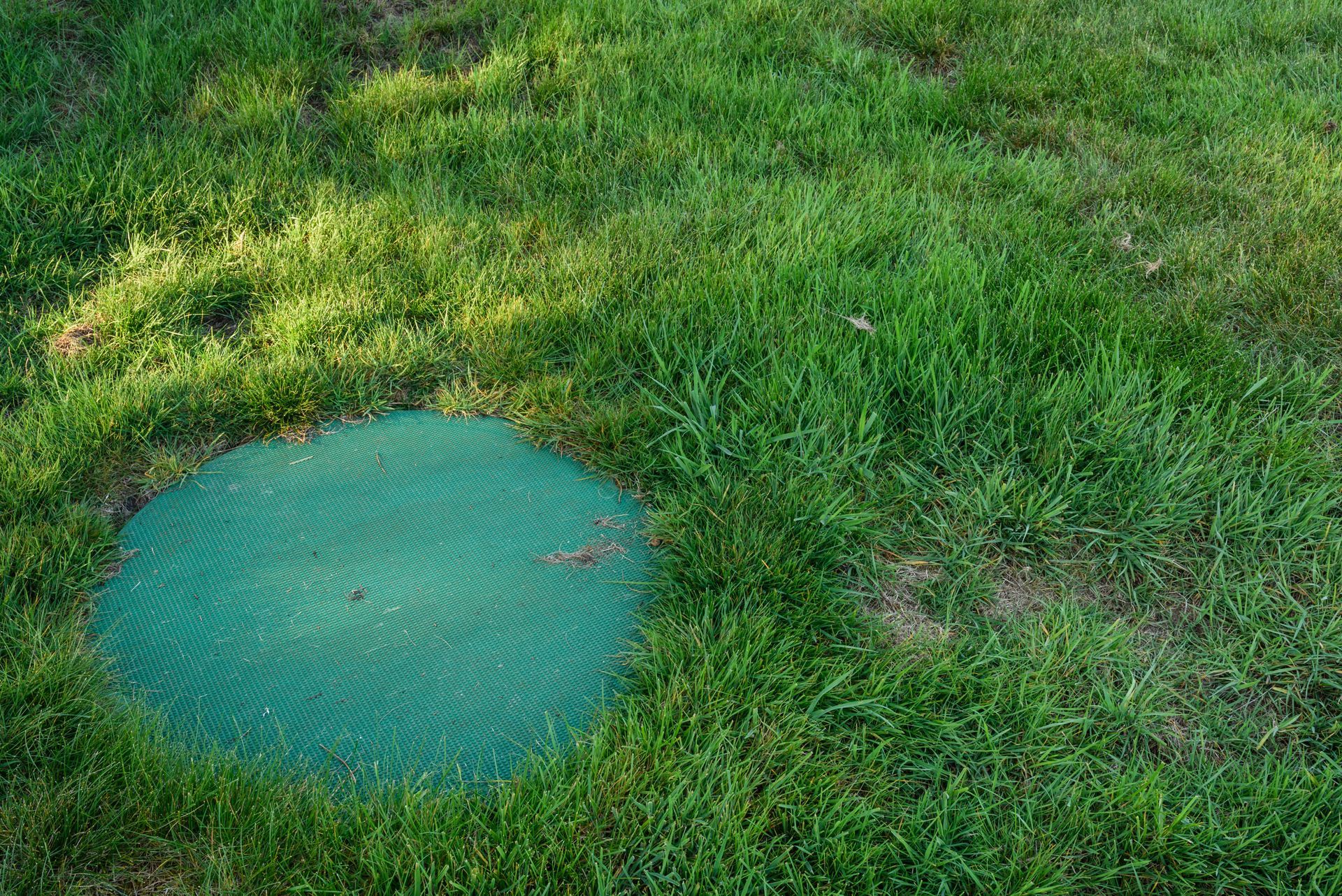
Unusually lush or fast-growing grass over the drain field may indicate excess moisture in the soil. This can suggest that wastewater is not being properly distributed through the system. In these situations, septic service may be required to determine whether the drain field is functioning correctly. Observing changes in vegetation can provide valuable insight into system performance.
Managing Root Interference Risks
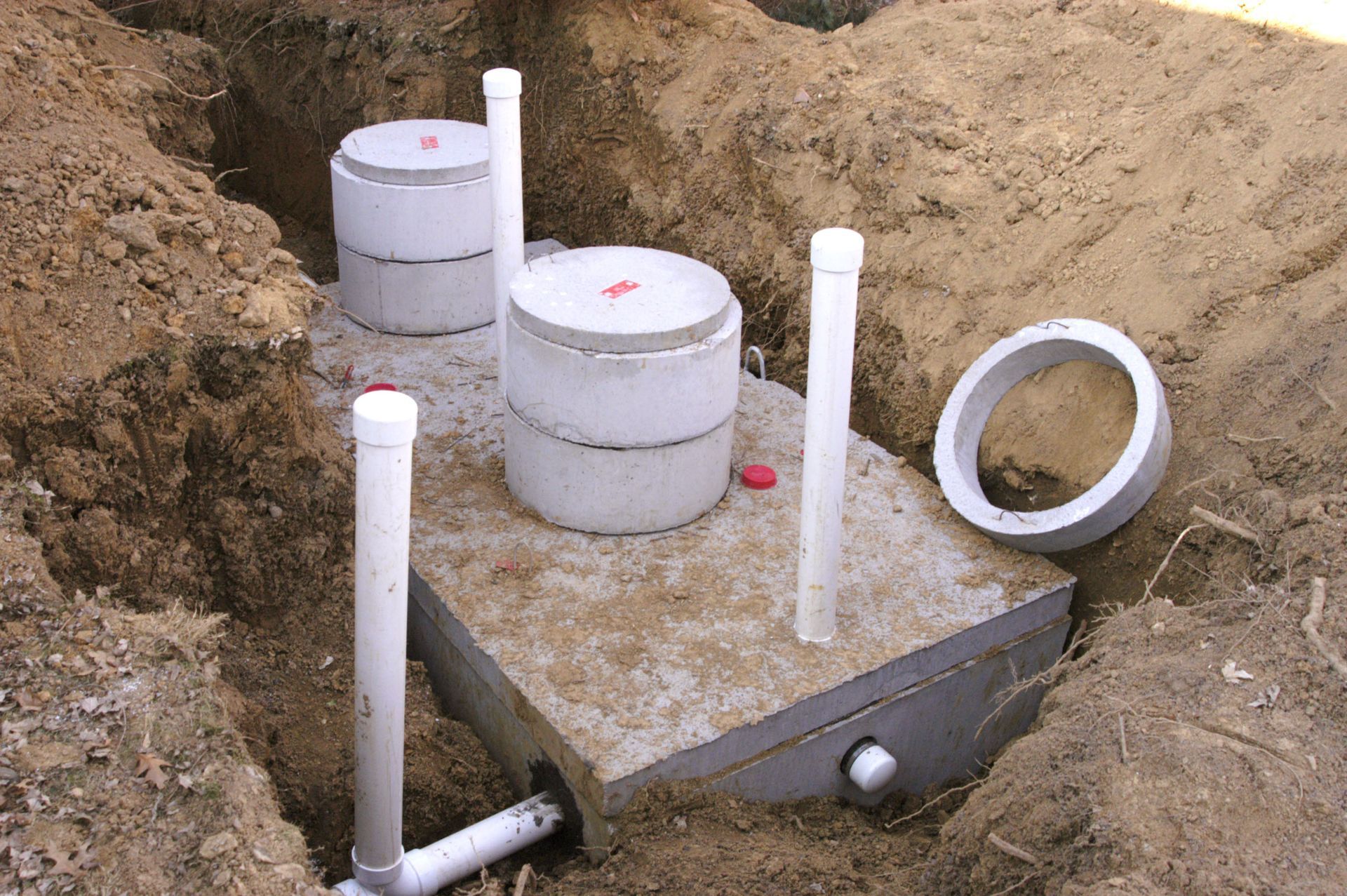
Plant roots can sometimes grow into septic system components, interfering with pipes or tank structures. This can disrupt normal wastewater flow and contribute to system performance issues. Managing vegetation near the drain field helps reduce these risks and maintain system integrity. When problems occur, septic service may be needed to assess and address the impact.
4. Creating Puddles And Wet Areas Near The System
Identifying Surface Leaks
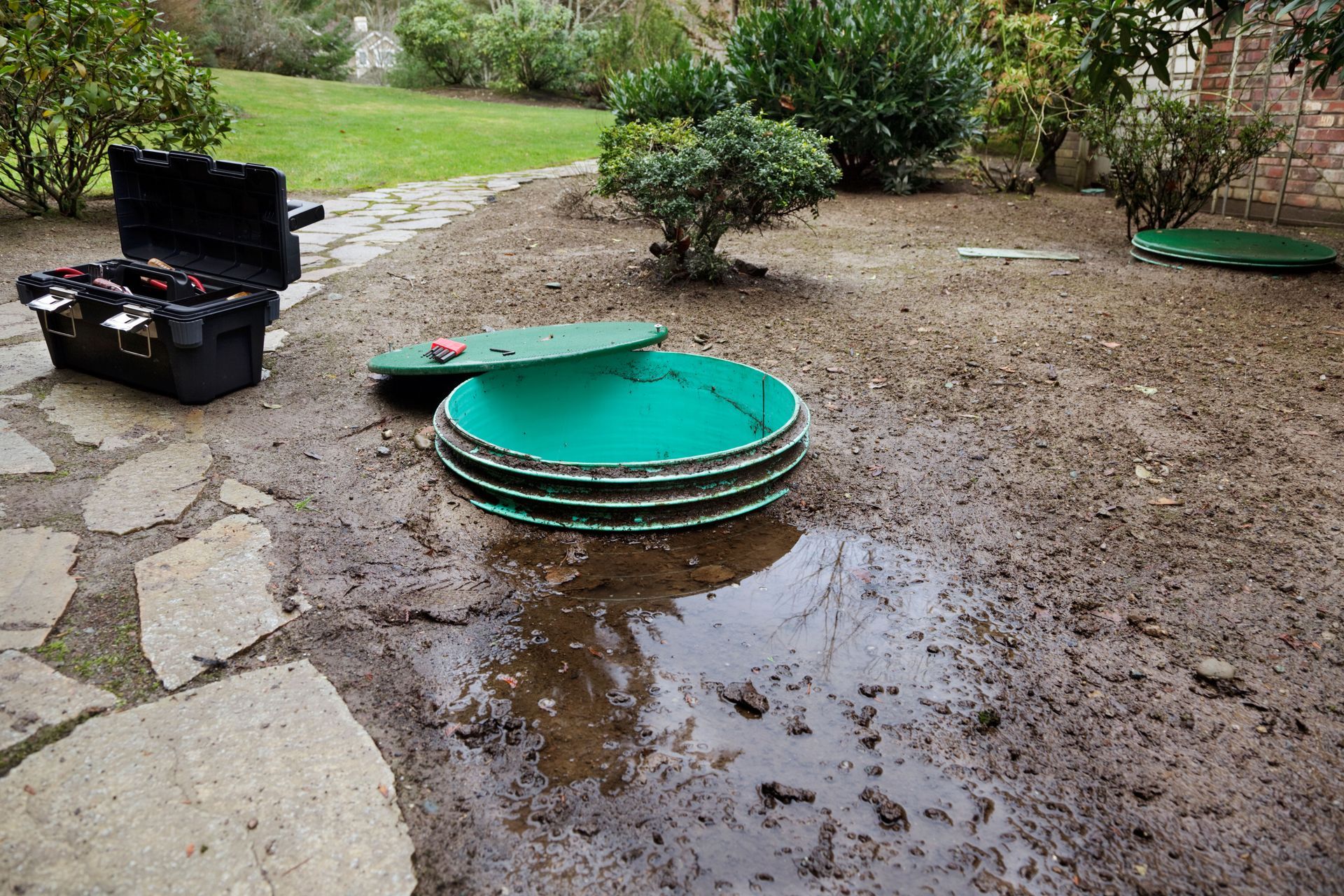
Puddles or persistently wet areas around the septic system may indicate that wastewater is not being properly contained or distributed. This can suggest system overload or malfunction that requires attention. In some cases, septic service may be needed to identify the source of the issue and determine the appropriate solution. These conditions should be evaluated promptly to prevent further complications.
Evaluating Contributing Factors
Excess water around the system can result from heavy rainfall, system strain, or drainage issues. When the system is not processing wastewater effectively, surface saturation may occur in nearby areas. Septic service can help determine whether the issue is environmental or system-related. Understanding the cause is important for addressing the problem correctly.
5. Shifting Well Water Quality Conditions
Reviewing Water Testing Awareness
For homes that rely on well water, changes in water quality can sometimes be linked to septic system performance. Regular testing helps ensure that drinking water remains safe and consistent over time. If changes are detected, septic service may be needed to evaluate whether the system is contributing to the issue. Ongoing monitoring supports early detection of potential concerns.
Assessing Health Considerations
Changes in water quality can affect household safety, particularly if contamination is present. Monitoring well water helps identify potential issues before they become more serious. Septic service may be required to determine whether the system is influencing groundwater conditions. Early action helps maintain safer water conditions.
Evaluating System Connection
When septic systems are not functioning properly, they may contribute to changes in surrounding groundwater conditions. Identifying whether the system is involved requires professional evaluation and inspection. In these situations, septic service can help determine the source of the issue. Understanding the connection is essential for proper resolution.
6. Showing Aging System Performance Issues
Recognizing Signs Of Wear
Older septic systems may show signs of reduced performance, including recurring drainage issues or inconsistent system flow. These patterns can indicate that components are beginning to wear down over time. Septic service can help assess whether the system is still functioning properly. Early evaluation can help prevent more significant disruptions.
Tracking System Condition Over Time
The performance of a septic system depends on usage, maintenance habits, and environmental conditions. Regular inspections help track changes in system behavior and identify developing issues. Professional septic service can provide insight into the system's condition. This helps homeowners understand when maintenance may be needed.
Comparing Repair Vs Replacement Considerations
When issues arise, determining the appropriate response depends on system condition and the extent of the problem. A professional inspection can help guide whether repairs are sufficient or further action is needed. Septic service can assist in evaluating system performance and recommending next steps. This ensures informed decision-making.
Planning Maintenance Needs
Keeping records of maintenance and system performance can help homeowners anticipate future service needs. Staying proactive supports long-term system performance and reduces unexpected disruptions. Septic service plays a key role in maintaining overall system function. Consistent upkeep helps extend system lifespan.
Spotting early signs of septic system trouble can help prevent more serious disruptions and keep everything operating smoothly. Whether it is slow drains, unusual odors, drain field changes, or standing water, these warning signals often point to underlying issues that should not be ignored. When concerns arise, professional evaluation can help identify the cause and guide appropriate solutions. Homeowners looking for dependable septic system support can learn more with Anytime Septic Solutions, offering services such as pumping, inspections, repairs, installations, and drain field care.
Share On: